
Modern life science labs feel like they sit in the middle of a constant upgrade cycle. New tools show up almost every month. Old habits fade. Fresh workflows replace them. The pace feels intense, yet it also feels exciting.
Researchers depend on this progress because the science grows more demanding every year. They chase accuracy. They chase speed. They chase stronger insight. Technology shapes that chase. It gives labs the push they need to operate at a higher level.
Tech That Shapes Daily Lab Life
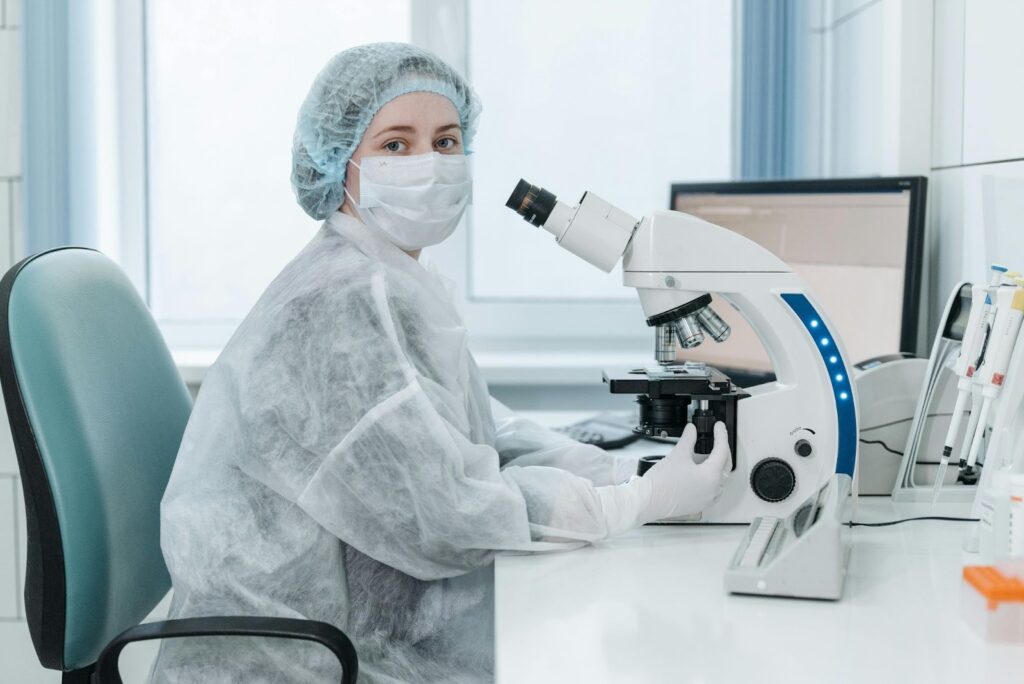
Everyday lab work looks different now. Tasks that once took hours now take minutes. Instruments change the entire rhythm of a project. One example is the fluorescence microscope, which brings tiny details into sharp view and gives researchers stronger visibility into cell structures. This boost matters. It helps teams catch issues early. It helps them validate steps without guesswork. It sets a clear baseline for experiments that require tight control.
These kinds of upgrades show up all over the lab. Tools sharpen precision. They remove friction. They make long tasks feel manageable again.
Automation That Lightens the Load
Automation turns slow routines into quick, repeatable tasks. Robots handle liquid transfers with steady movements. They process plates without taking breaks. They maintain consistency in steps that feel boring for humans but crucial for results.
This shift frees researchers from repetitive work that drains energy. They use that time for planning or analysis instead. Automation also reduces the risk of small mistakes that build into bigger problems. The lab benefits from this steady rhythm. Projects move with fewer interruptions. Teams work with more confidence. Output increases because the system carries part of the weight.
Digital Platforms That Keep Everything Organized
Data sits at the center of life science research. Labs collect enormous volumes of it. They pull numbers from instruments. They track samples. They log conditions. They store logs for audits. Without digital platforms, these records can get messy.
Modern software steps in to keep everything clean and traceable. It sorts files. It aligns results with samples. It shows patterns in minutes. It keeps mistakes from hiding in big datasets. This structure helps labs stay compliant. It also helps them stay efficient. Teams avoid digging through old spreadsheets. They work with clarity. They move faster because the system keeps their work in order.
Imaging Tech That Expands Scientific Visibility
Imaging equipment evolves at a rapid pace. Each new generation reveals details that used to sit beyond reach. Cameras capture faster signals. Scopes pick up faint markers. Software enhances resolution without distorting the view. This progress pushes research into new territory.
Scientists spot behaviors inside cells that they never saw before. They watch interactions unfold in real time. They build stronger theories because they see what older tools could not show. Imaging becomes a quiet driver of breakthroughs. It turns small observations into big discoveries. It gives labs new angles and new questions to explore.
AI Tools That Turn Data Into Insight
AI takes on some of the heaviest challenges in research. It scans datasets that would take humans weeks to review. It finds correlations buried deep in noise. It predicts outcomes that guide planning. AI does not replace the scientist. It boosts them. It hands them insight they can test right away. It speeds up decision-making. It highlights unexpected patterns. It brings structure to chaos.
Teams use AI to design experiments with more precision. They also use it to avoid dead ends. The tech grows smarter with each dataset. Labs gain an advantage because they work with tools that learn alongside them.
Connected Systems That Hold the Lab Together
Modern labs depend on strong connectivity. Instruments share data with software. Tablets mirror dashboards. Cloud platforms sync across locations. This flow keeps projects aligned. Test results appear in real time. Updates move across the team in seconds. Tasks no longer stall because someone missed a message.
Connectivity strengthens collaboration. It reduces downtime. It keeps the lab moving as a single unit. People trust the process because the system communicates clearly.
The Future Tech Labs Are Already Preparing For
Labs prepare for new waves of innovation before those tools even arrive. Faster sequencing platforms. Smarter robots. Sensors that pick up tiny shifts in reactions. Materials that resist harsh conditions. Instruments that bring even more precision. Expectations grow with each release. Labs want speed. They want accuracy. They want tools that remove bottlenecks.
Early adopters gain an edge. They push ahead while others adjust. This drive shapes the future of scientific work. Technology becomes the foundation for growth. It sets the pace for research that needs to move fast and stay reliable.